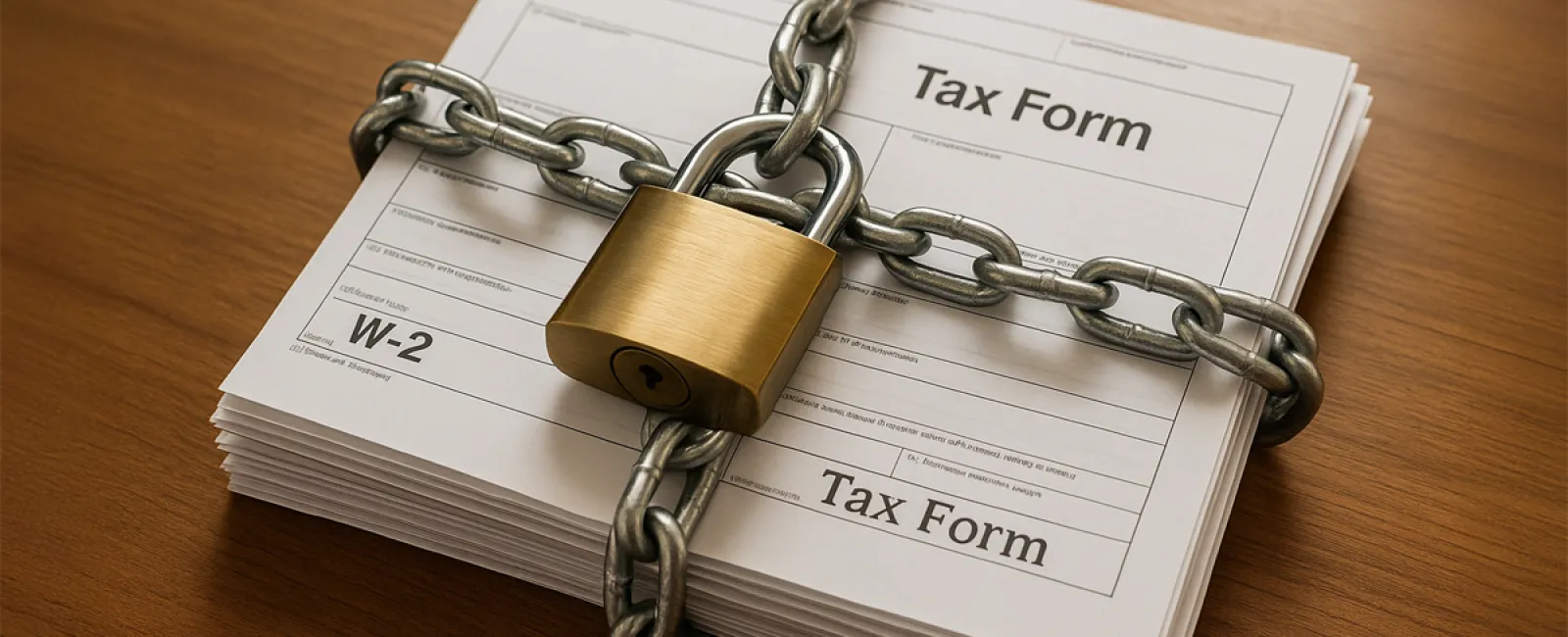
February signals the surge of tax season, increasing your accountant's workload and prompting bookkeepers to gather essential paperwork. The focus? W-2s, 1099s, and critical deadlines.
But amidst the typical preparations, there's a hidden peril that often goes unnoticed: tax season scams.
One scam emerges early, even before April, targeting small businesses with precision and deception. It might already be lurking in someone's inbox.
The Mechanics of the W-2 Scam
Here's the scenario:
An employee, often from payroll or HR, receives an email impersonating the CEO, owner, or a high-level executive.
The message is brief yet pressing:
"I urgently need copies of all employee W-2s for an accountant meeting. Please send them immediately; I'm swamped today."
The request seems legitimate, matching the tax season urgency and tone.
The employee complies and sends the sensitive W-2 information.
However, the email is a clever forgery—sent by a cybercriminal using spoofed addresses or deceptive domains.
Now, the scammer holds every employee's:
• Full legal name
• Social Security number
• Home address
• Salary details
This data is a treasure trove for identity theft and fraudulent tax filings.
The Aftermath of Falling Victim
Victims typically realize the breach when their tax returns are rejected with a notice stating, "Return already filed for this Social Security number."
Somebody else has already filed using their identity and claimed their refund.
Your employees then face complicated IRS disputes, credit monitoring, identity protection services, and lengthy documentation processes—all triggered by a single deceiving email.
Imagine this happening across your entire payroll—an incident that not only jeopardizes security but erodes trust, creates HR challenges, invites legal risks, and damages your company's reputation.
Why This Scam Is So Effective
This isn't an obvious scam—it looks professional and timely, making it hard to spot.
Its effectiveness hinges on key factors:
- The timing aligns perfectly with expected W-2 requests in February, making it seem routine.
- The request doesn't ask for unusual things like money transfers but for data commonly shared during tax season.
- The urgency sounds plausible in a busy work environment.
- The sender's identity is convincingly imitated, often using real names familiar to the employees.
- Employees' eagerness to assist the boss often overrides caution.
Essential Steps to Shield Your Business
The great news: prevention is achievable through clear policies and a vigilant workplace culture more than advanced technology.
- Implement a strict "no W-2 via email" policy with zero exceptions. Sensitive payroll files must never leave your premises as email attachments.
- Require verification of sensitive requests through separate communication channels like phone calls or direct chats, using trusted contact information, not that provided in the suspicious message.
- Conduct a brief, focused meeting on tax scam awareness with your payroll and HR teams immediately to prepare them for the upcoming surge.
- Secure payroll and HR systems with multi-factor authentication to protect employee data against unauthorized access.
- Promote a culture where questioning unexpected requests, even if they seem to be from leadership, is encouraged and rewarded.
These five straightforward but powerful rules can be implemented quickly and provide a strong defense against the initial wave of scams.
The Wider Threat Landscape
The W-2 scam is just the beginning. Expect an increase of tax-related cyber threats including:
- Phony IRS notices demanding immediate payments
- Deceptive phishing emails disguised as tax software updates
- Counterfeit messages from your supposed accountant containing harmful links
- Fake invoices crafted to mimic legitimate tax expenses
Tax season is a favored target for criminals due to the fast pace and financial urgency it involves.
Businesses that emerge unscathed are those prepared with strong policies, training, and systems to detect and halt suspicious requests before damage occurs.
Is Your Business Prepared?
If your organization already has robust policies and your team is vigilant, you're ahead of many others.
If not, the time to act is now—before the first scam hits.
Consider booking a 15-minute Tax Season Security Check where we will review:
• Payroll and HR system access controls and MFA
• Your W-2 request verification protocols
• Email safeguards against spoofing
• Critical policy adjustments often overlooked by businesses
If your business is already protected, share this vital information with others who might need it—it could prevent a costly breach.
Click here or give us a call at 336-904-2445 to schedule your free 15-Minute Discovery Call.
Because tax season should be about compliance, not combating identity theft.