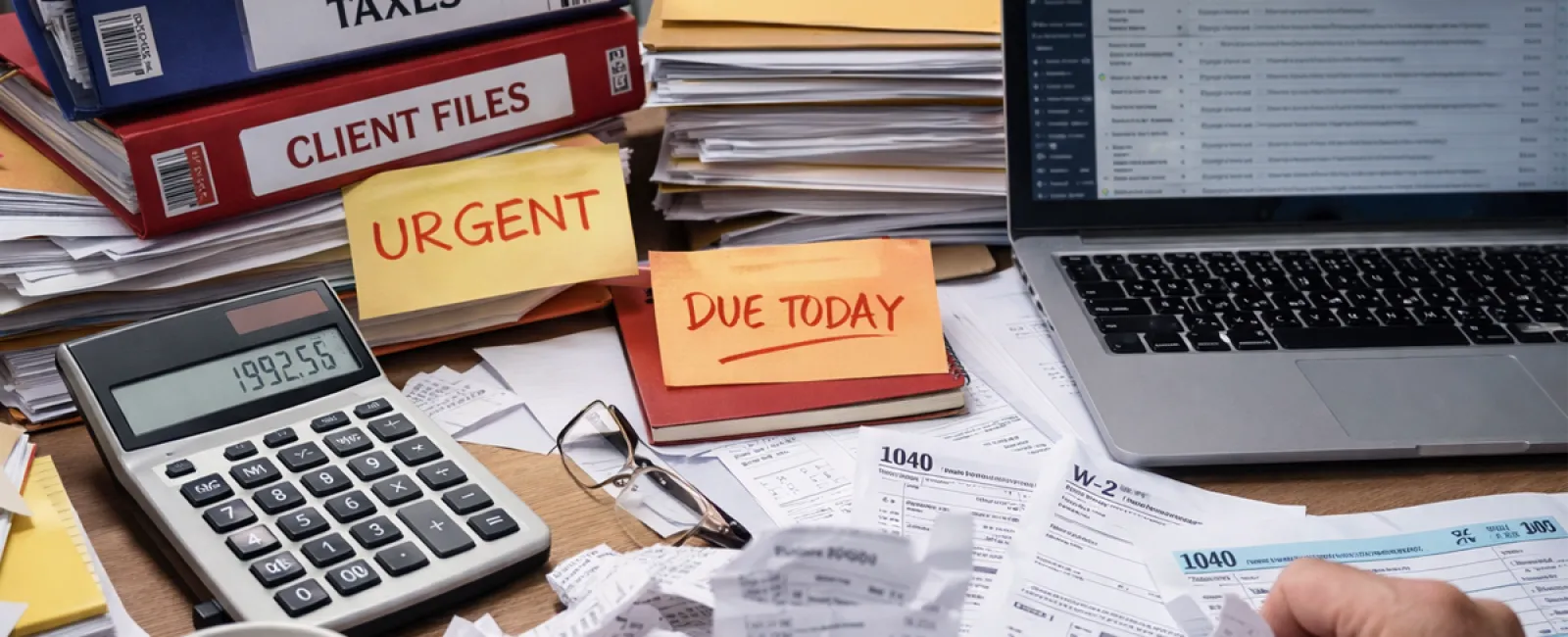
It's that time of year again: March.
Your accountant is overwhelmed, your bookkeeper is rushing, deadlines are closing in, and your inbox is flooded with urgent emails.
Everyone is focused, just pushing through the busiest month.
You know this scenario well.
But so do cybercriminals.
Security experts reveal a dramatic surge in phishing scams during tax season, noting a nearly 28% rise in tax-related fraudulent emails in March compared to other months. These scams aren't flashy; they're crafted to blend seamlessly into your everyday work messages, striking at the peak of your busiest period.
This spike isn't by chance.
It's calculated timing.
Let's explore what's behind these attacks and four straightforward strategies to protect your business from becoming the next victim.
The Strain on Your Supply Chain
Here's what often goes unnoticed:
Hackers don't just target accounting firms.
They exploit the disorder surrounding tax season.
During tax season:
- Clients hastily send sensitive documents.
- Staff bypass standard procedures to keep pace.
- Requests like "Just send the file" replace usual caution.
- Verification is skipped because everyone is overwhelmed.
The entire system accelerates.
And with speed comes mistakes.
Hackers prefer targeting busy, hurried businesses—not calm, cautious ones.
March businesses fit that profile perfectly.
Recognizing These Attacks
This isn't fiction.
It's an email that appears completely normal in your inbox.
- An email from "your accountant" requesting to resend W-2s due to a delivery issue.
- A vendor's message claiming their bank details have changed and must be updated.
- A DocuSign request asking for tax documents "to be signed today".
- An urgent email from "your CEO," supposedly traveling and needing immediate assistance.
These messages don't raise alarms.
They feel like routine March business.
That's why they succeed.
Why Busy Professionals Fall for These Scams
It's not about negligence.
It's human nature.
When overwhelmed by overflowing inboxes and tough deadlines, people skim, assume, and react quickly.
Scammers rely on this.
Their emails target those moving too fast to notice subtle inconsistencies. They don't need recklessness; they need busy.
And in March, almost everyone is racing.
4 Easy Steps to Avoid Becoming a Victim
You don't need advanced technology or a large security team to lower your risk.
Just implement a few mindful habits during peak seasons.
1. Confirm payment updates by phone
If you receive an email about vendor banking changes, don't reply directly.
Instead, call a trusted phone number to verify verbally.
This simple step can prevent significant financial fraud.
2. Take your time with sensitive data requests
Urgency should trigger caution, not haste.
If someone demands W-2s, tax info, or financial files immediately, pause and verify first.
Legitimate requests tolerate a short delay; scams don't.
3. Double-check urgent appeals via another method
If an email insists on urgency, confirm it through a call, text, or internal chat.
A brief check can stop costly mistakes.
Real emergencies withstand vetting; fakes vanish.
4. Alert your team about peak scam season
This week, inform your staff that tax season brings scam risks.
Encourage them to slow down, verify, and ask questions when something seems off.
This small shift can save plenty of troubleshooting later.
Key Takeaway
Tax season is already stressful; falling victim to a scam makes it worse.
These attacks aren't complex — they're opportunistic and well-timed.
They exploit rushed decisions and assumptions when everyone is trying to push through March.
You don't have to overhaul your security to avoid becoming an easy target.
Simply slow down when it counts and verify urgent requests.
Often, that's all it takes.
Busy-Season Security Check
Your business might already practice solid security habits, which is excellent.
But if tax time pushes your team into reactive mode, or you're uncertain how they handle urgent requests under pressure, consider a quick security review with a free 15-Minute Discovery Call.
No gimmicks or pressure — just an honest evaluation of how simple habits can prevent major headaches this season.
If this message doesn't fit your business, feel free to share it with someone who might benefit.
Click here or give us a call at 336-904-2445 to schedule your free 15-Minute Discovery Call.